
Insight Articles — Nov 13, 2025
Affiliate Marketing and KOC

15 mins read
Share this article
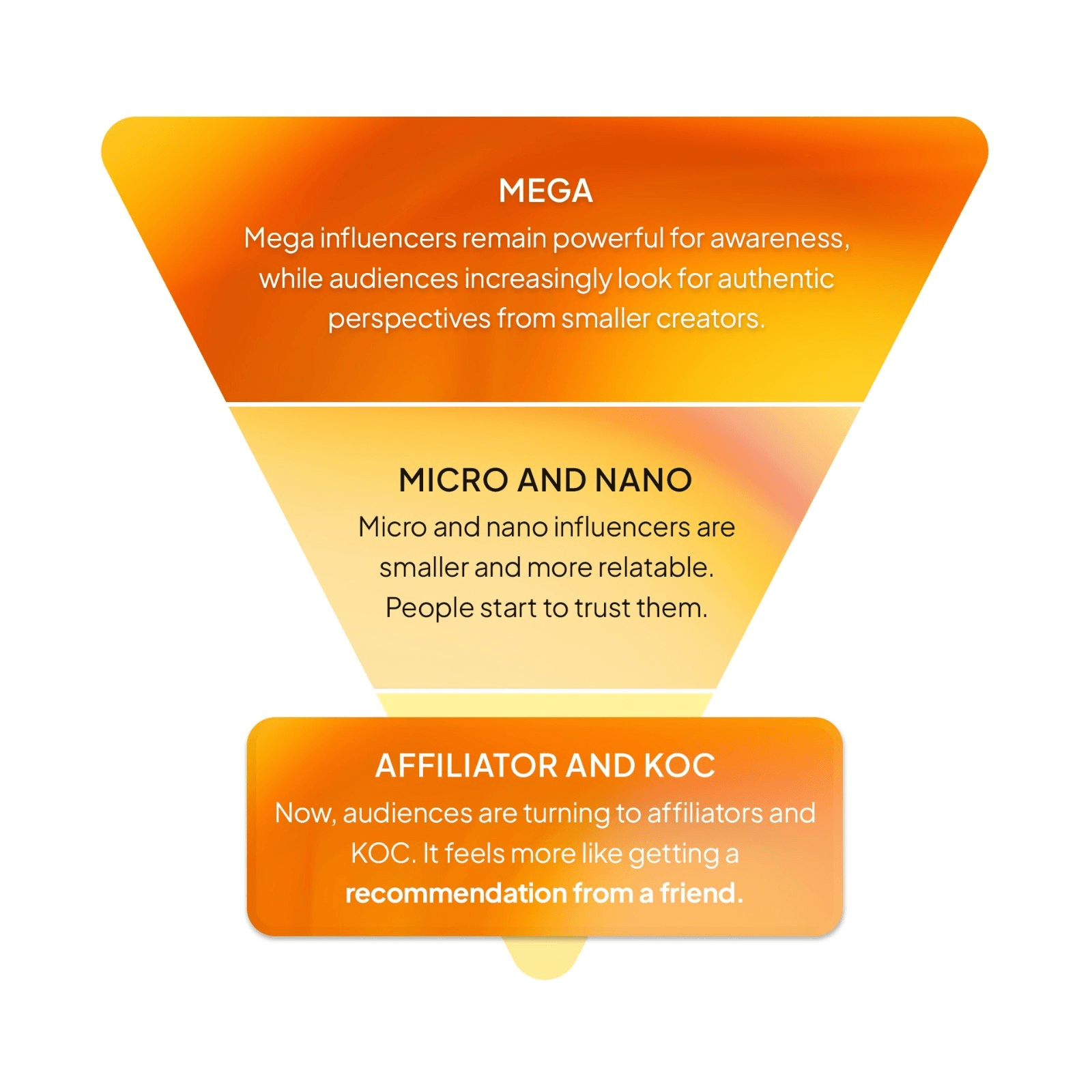
The world of influencer marketing is changing fast. Over the past few years, we’ve watched the landscape shift from mega influencers → micro → nano → and now to affiliators and KOCs (Key Opinion Consumers).
This changes reflects how people today choose who they trust, who they listen to, and who they buy from.
From Mega Influencers to KOC
For a long time, mega influencers dominated the marketing world. They were the faces of big campaigns, and they still play a huge role in brand awareness.
But over time, audiences started craving something more real. This need opened the door for micro and nano influencers creators with smaller followings but higher relatability. People trusted them more because they felt closer and more authentic.
Now, the shift has gone even further. These are everyday consumers who share honest product experiences, often through affiliate links or review-style content. For many people, hearing from a KOC feels like hearing from a friend, not an ad.
The Growth Behind Affiliate Marketing
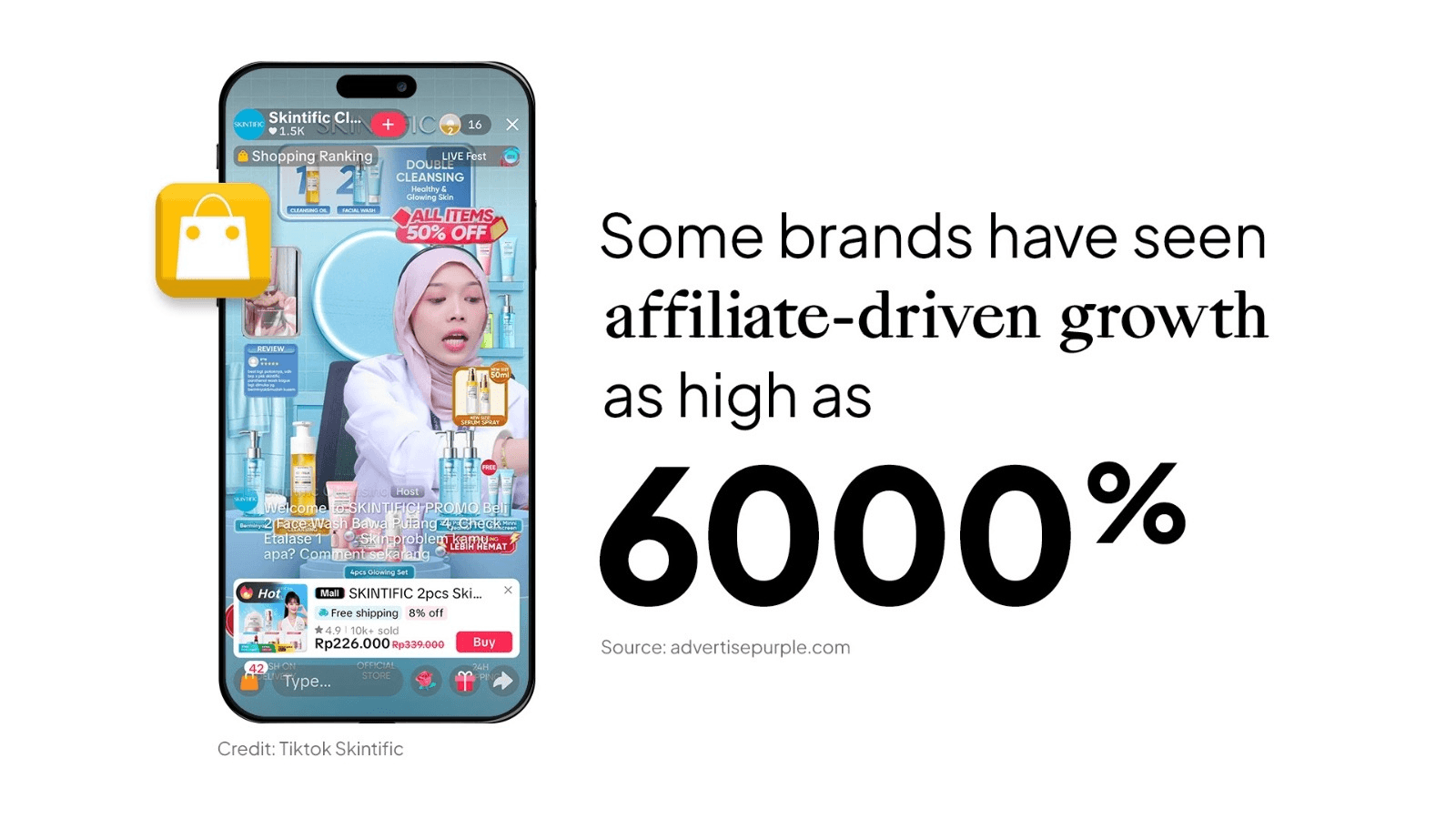
And if you’ve been scrolling through TikTok lately, you’ve probably seen creators selling directly through the yellow shopping cart feature, proof that affiliate-style selling is becoming a normal part of digital behavior.
It may sound unbelievable, but it’s happening everywhere.
Why Audiences Trust Affiliators and KOCs
This rise isn’t just a new strategy in marketing. It reflects a deeper shift in consumer behavior:
- People want authenticity more than ever.
- They trust relatable voices over polished ads.
- They can tell when someone is being genuine and when someone is just promoting for a commission.
And that last point is important. Because affiliators and KOCs do earn commissions, trust can become fragile. Audiences are quick to question content that feels forced or dishonest.
This raises an important question: Will people keep shopping through affiliators and KOCs in the long run? The answer depends on trust the core currency of influence.
At the End of the Day, Trust Determines Everything
No matter the category mega influencer, micro influencer, nano influencer, affiliator, or KOC, the creators who win are the ones who feel real. Influence is about credibility.
A Case Study: Xexymix
One of the best examples is Xexymix, a leading Korean sportswear brand known for its yoga apparel. Instead of chasing big influencers, Xexymix focused on micro creators who actually live the lifestyle:
- Yoga instructors
- Pilates coaches
- Wellness enthusiasts
What’s interesting is that many of these creators didn’t join for the commission. They joined because they already admired the brand.
This created a self-sustaining cycle:
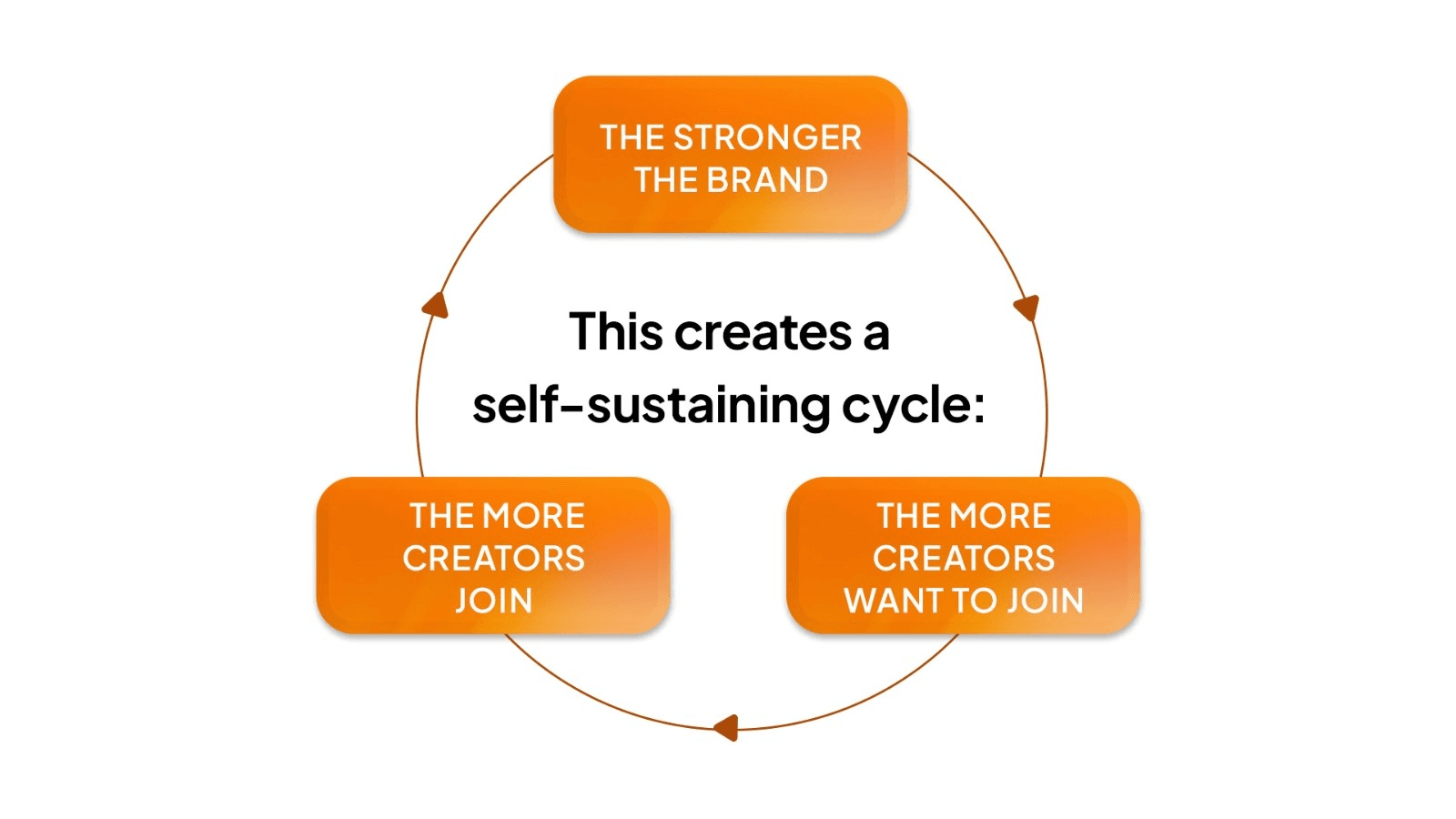
It’s organic, natural, and built on genuine admiration not incentives alone.
What Brands Can Learn
1. Build trust and desirability first
Affiliate and KOC strategies only work when people already believe in your brand. You can’t rely on affiliates to fix weak brand perception.
2. Choose the right partners
Work with creators who truly reflect your values and your audience. Reach alone doesn’t guarantee relevance.
3. Encourage honesty
Affiliators perform best when they feel like real brand advocates not scripted salespeople. Authentic stories convert better than perfect marketing lines.
Conclusion
Influencer types may change, but one rule stays the same: trust always wins.
Whether your strategy includes influencers, KOLs, affiliators, or KOCs, the brands that succeed are the ones that feel human, honest, and real.
Share this article
Related insight
No Related Article